

Strengthening sustainable cotton livelihoods through partnership
A collaboration with Better Cotton Initiative which supported smallholder cotton farmers to adopt sustainable practices, reduce input costs, and strengthen long-term farm viability.
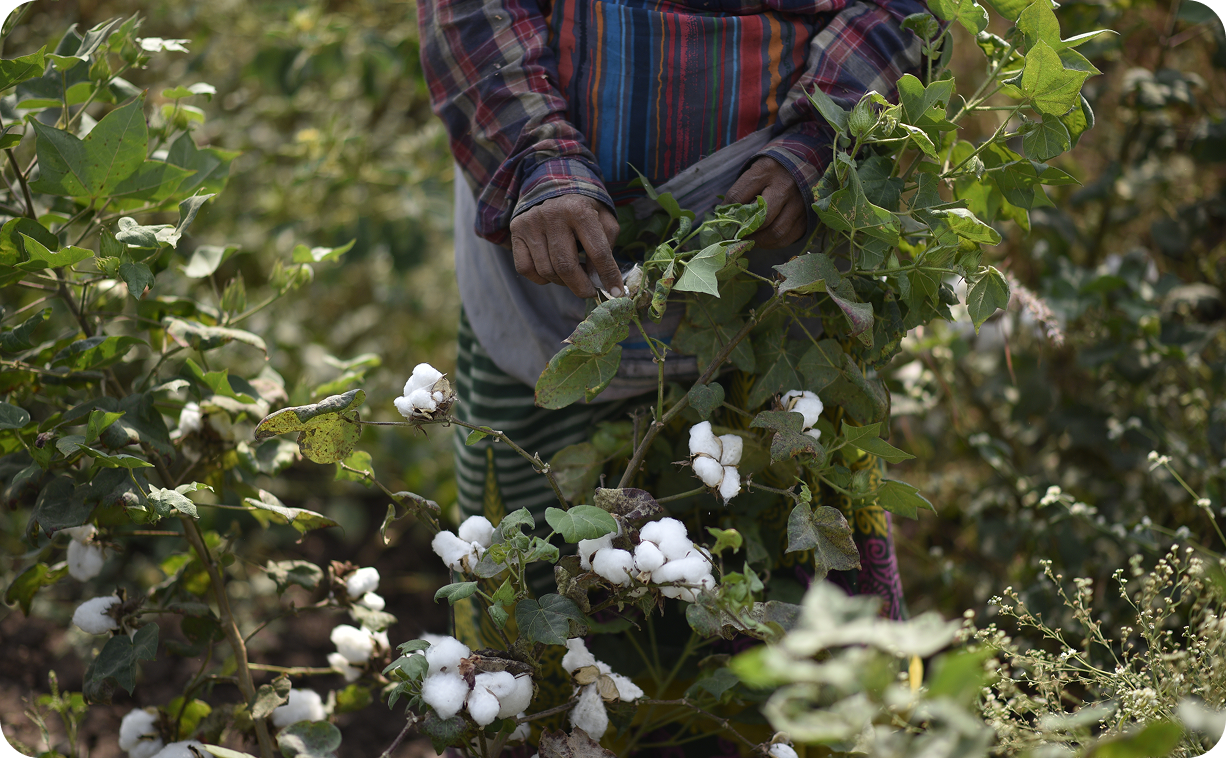
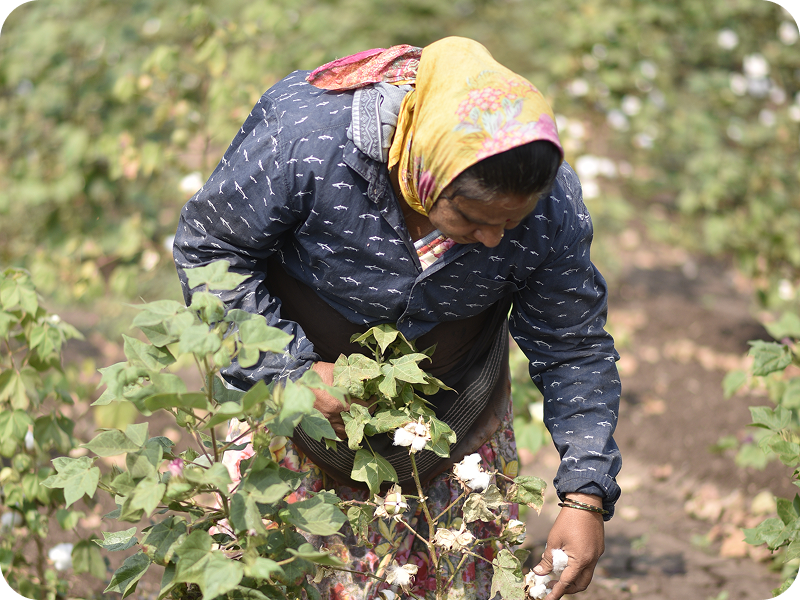
Cotton farming in Maharashtra’s Dhule district is increasingly shaped by climate variability, rising input costs, and intensive water and pest management requirements. Smallholder farmers, often cultivating less than five acres, face pressure to balance productivity with affordability, while navigating risks that directly affect income stability and soil health.
A partnership towards better cottonLHWRF partnered with Better Cotton Initiative (BCI) to combine global sustainability standards with deep on-ground implementation. While BCI provided the framework for responsible cotton cultivation, LHWRF enabled adoption through farmer training, field demonstrations, and continuous local engagement.
WHAT CHANGED ON THE GROUND
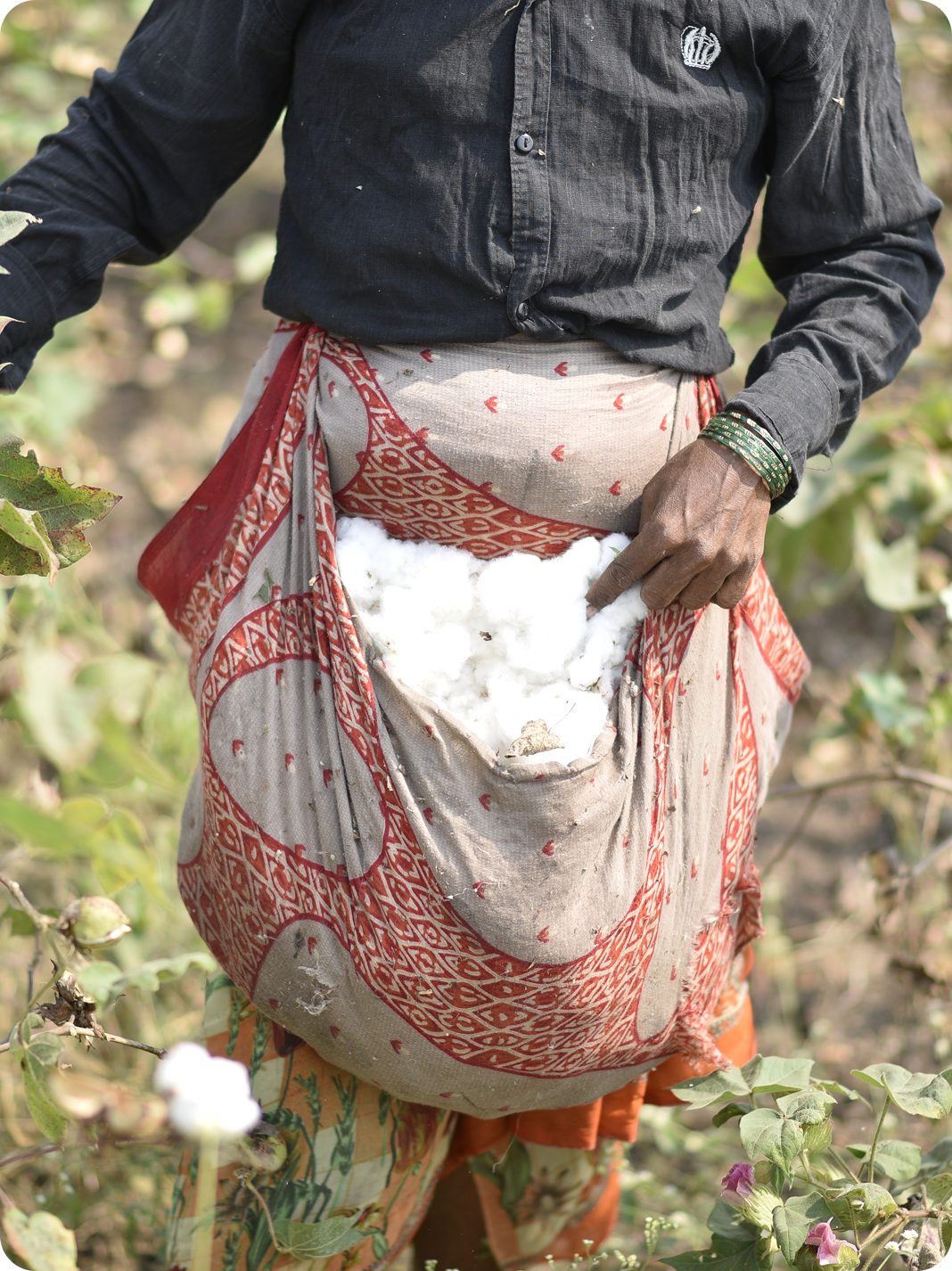
Through the partnership, farmers adopted improved agronomic practices focused on efficient water use, integrated pest management, and cost-effective farm inputs. Training and demonstrations helped reduce reliance on expensive external remedies, improve crop resilience, and support more informed decision-making at the farm level.
“The knowledge I gained through the training has been incredibly useful. The techniques are cost-effective and don’t add to our financial burden. Receiving assistance for the drip irrigation system was a major relief for me.”
About Better Cotton Initiative
Partners
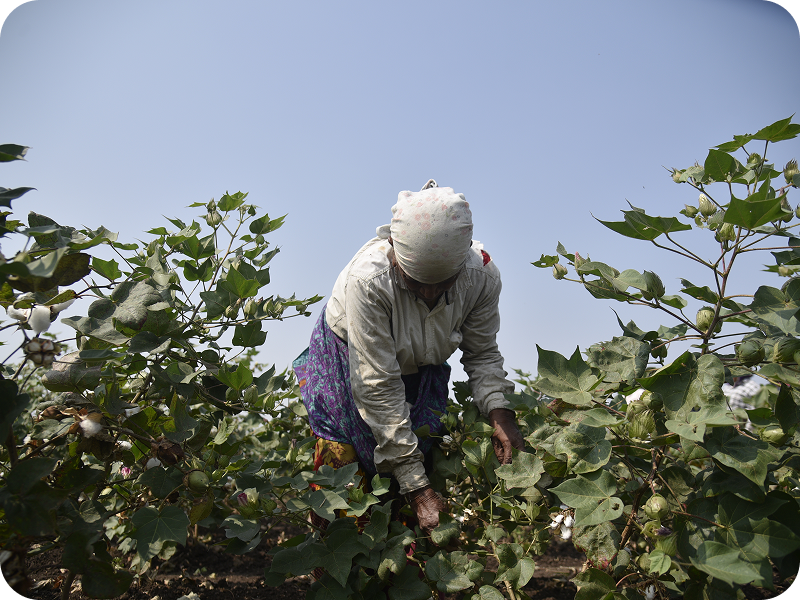
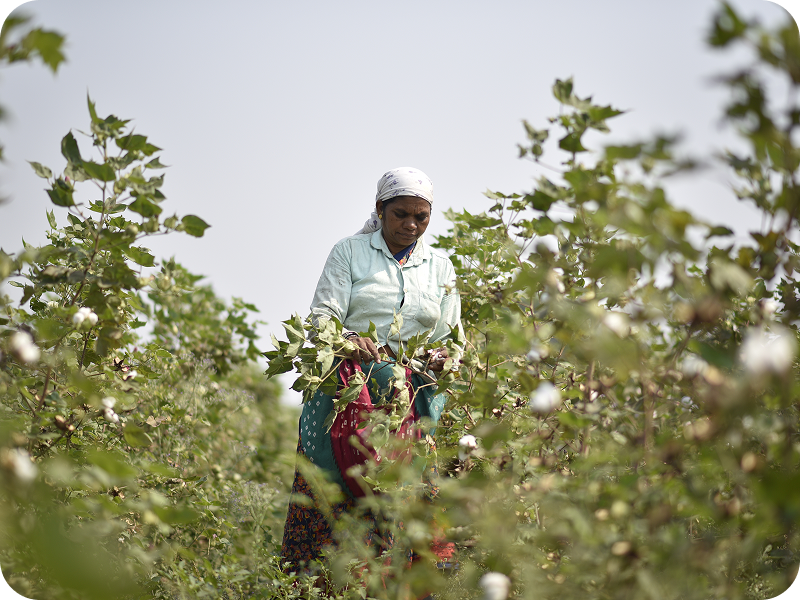
Better Cotton Initiative is a global nonprofit organisation working to improve cotton farming practices worldwide. It supports farmers in adopting more sustainable methods that reduce environmental impact while strengthening livelihoods and long-term productivity.






infolhwrf@lupin.com
Welfare & Research Foundation, All Rights Reserved.